AT A GLANCE
- Pacificampa dodecas reaches 13 mm in body length, excluding antennae and tail appendages.
- The largest-species claim concerns Campodeidae, not every insect or six-legged animal.
- An animal known locally for decades can still await formal scientific description and naming.
Nagakomushi, written ナガコムシ, is drawing attention to Pacificampa dodecas, a newly described cave-dwelling dipluran from Akiyoshidai in western Japan. Kyoto University's announcement identifies a maximum body length of 13 millimetres. The headline needs its qualifier: this is a size claim within the family Campodeidae, rather than a newly discovered giant among all insects. Thirteen millimetres is 1.3 centimetres.
What does the measurement include?
The university excludes antennae and the two tail appendages from that body-length figure. It places the species above Pacificampa daidarabotchi, previously regarded as the family's largest. Comparing an animal's complete silhouette with another species' body-only measurement would therefore be misleading.
Two details belong beside any size record: the group being compared and the measurement used. A family-level record can be scientifically interesting without being large in everyday terms. The result is not a claim that every individual reaches the recorded maximum.
How did the researchers distinguish the species?
The paper's publisher-deposited abstract, available through Crossref, describes specimens from four caves. It identifies body size, the arrangement of larger bristles and the antenna-to-body length ratio as distinguishing features. The comparison is broader than noticing an unusually big animal.
The abstract also reports mitochondrial COI sequences supporting the four cave populations as one species, distinct from other Japanese Pacificampa lineages. A separate analysis using 18S rRNA suggests a relationship with Metriocampa, while explicitly leaving the genus's phylogenetic position unclear. These are different questions: whether the samples belong together, and where their group fits within the wider family tree. Evidence for one does not automatically settle the other.
Why is it new if people had seen it before?
Kyoto says the animal's presence had been known at least since 1953, but it lacked a formal scientific name. The research was published online on October 9, 2026; the university release followed on October 27. Renewed news coverage on October 30 is therefore different from the date of the original research.
In this case, new describes a taxonomic result: researchers documented distinctions and established a named species. It does not mean the animal appeared recently, that nobody had encountered it, or that its evolutionary age has been measured by this work. Keeping those meanings separate makes the discovery more informative than treating it as a sudden arrival.
What was actually accessible for this guide?
The university's release and the registered study abstract were readable, as was an October 30 TECH+ report. The publisher's full-text page returned an access challenge, so this explanation does not claim a full-paper review. Fine-grained specimen tables or methods beyond the readable abstract have not been independently checked here.
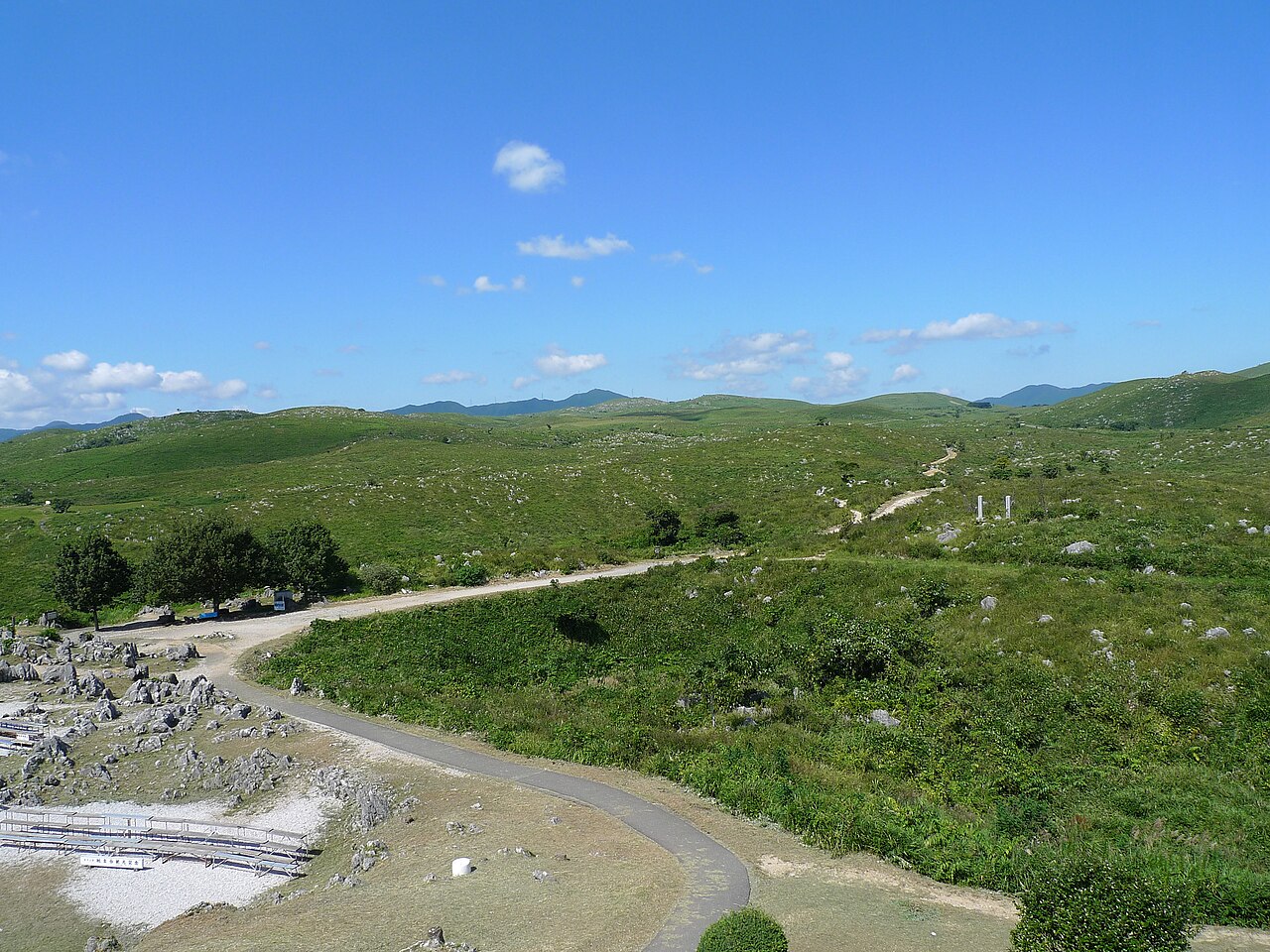
Landscape photo credit
View of Karst landscape at Akiyoshidai 1, by Motokoka, dated September 18, 2009, is used under CC BY-SA 4.0. The provider resized it; display cropping may apply. The image and cropped presentation remain under that license. It illustrates the region, not a specimen or a verified collection site.
FOLLOW THE TRAIL
Sources & further reading
- Kyoto University — Akiyoshidai's newly named campodeid ↗
Primary October 27 announcement: scoped size record, measurement exclusions, historical sightings and research date.
- Zoological Science study abstract — Crossref record ↗
Publisher-deposited title, authors, October 9 publication date and original abstract; full journal text was not accessible.
- TECH+ — October 30 coverage ↗
Read contemporary Japanese news coverage. Scientific details above rely on the university and original registered abstract.
Prepared with AI assistance from Kyoto University's release and the study's original abstract deposited with Crossref, with contemporary TECH+ coverage also read. The full journal article was inaccessible; no specimen examination, cave visit or independent molecular analysis is claimed. The licensed landscape photograph is regional context only. Read our editorial policy.
Last updated . Suggest a correction ↗