AT A GLANCE
- October’s full Moon falls on October 26, 2026.
- Look up your local moonrise and weather before heading out.
- A large-looking Moon near the horizon can be an illusion.
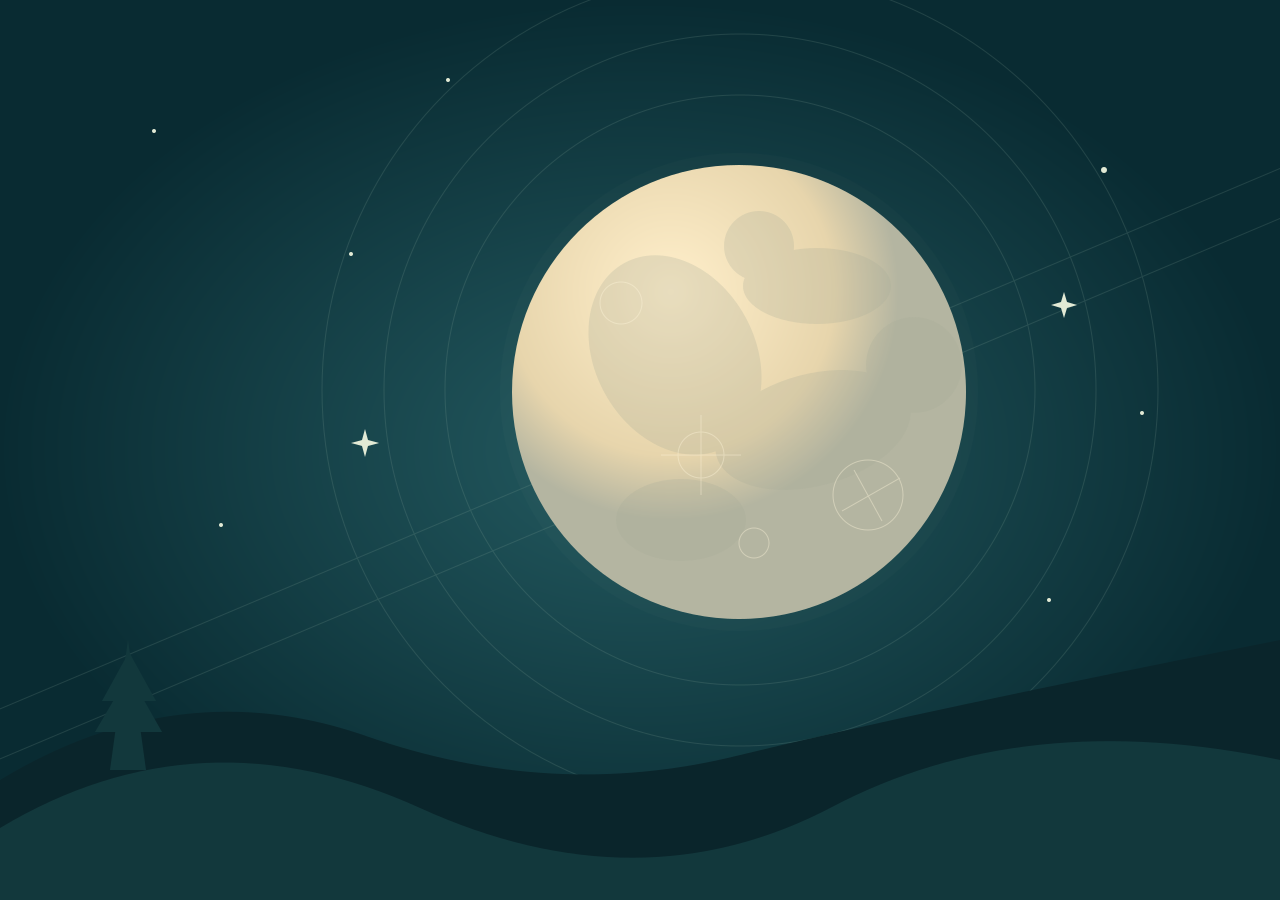
October's full Moon falls on Monday, October 26, 2026, according to NASA's October skywatching guide. Often called the Hunter's Moon, it offers a simple reason to step outside and look up. The seasonal nickname describes a tradition; it is not a separate kind of Moon.
What does “Hunter's Moon” mean?
NASA connects the name with hunters using bright autumn moonlight as fields became bare and daylight shortened. That seasonal background is useful context for readers around the world: the name comes from an autumn tradition, rather than describing the season in every country. See NASA's explanation.
The practical point is to separate the familiar name from the viewing conditions. A catchy lunar nickname does not tell you whether clouds will clear or when the Moon will rise where you live.
When should you look?
A full Moon generally rises around sunset and sets around sunrise. NASA also notes that it can appear full for a couple of days, so viewing is not restricted to a single instant. The phase occurs when the Moon is opposite the Sun in our sky, allowing us to see its illuminated dayside. NASA's Moon phases guide explains the geometry.
Before heading out, check the Moon's rise time for your city and your local weather forecast. This guide deliberately does not give one clock time for every reader: local moonrise and the moment of full phase are different things. A date in a headline is not a substitute for a local observing plan.
Do you need special equipment?
Your eyes are enough to enjoy the Moon. Binoculars or a telescope can reveal more detail, but they are optional. NASA's Moon viewing tips offer ways to explore its surface with different equipment.
For a casual outing, choose an accessible place with an open view, check conditions before travelling, and give yourself time to enjoy the scene. Treat this as a flexible evening activity rather than a promise that every location will have an unobstructed view.
Why can it look so large near the horizon?
The Moon can appear unusually large when it is low in the sky. NASA calls this the Moon illusion: photographs show that its apparent width does not increase in the way our eyes suggest. The precise explanation for our perception remains unsettled. It is not evidence that the Moon suddenly moved much closer while rising. Read NASA's account of the Moon illusion.
Enjoy the view, but keep the distinction clear: a dramatic-looking moonrise and an unusually close full Moon are different claims. This guide does not label the October event a supermoon or promise a particular colour.
FOLLOW THE TRAIL
Sources & further reading
- NASA — October 2026 skywatching guide ↗
October full Moon date and the seasonal name.
- NASA Science — Moon Phases ↗
Full Moon geometry and general rise and set times.
- NASA Science — Moon Viewing Tips ↗
Ways to observe the Moon.
- NASA Science — The Moon Illusion ↗
Why the Moon may appear larger near the horizon.
Prepared with AI assistance and checked against the linked NASA material. No on-site observations or interviews are claimed. Read our editorial policy.
Last updated . Suggest a correction ↗