AT A GLANCE
- WHOI’s November 11 announcement describes a multi-year study of marine life and chemistry around SS United States.
- An artificial reef provides underwater structure; its ecological performance must be measured over time.
- The project creates separate opportunities for marine research and preservation of the ocean liner’s history on land.
An ocean liner’s next chapter can raise a question about biology: how does a large steel structure become a marine habitat? In a November 11, 2026 announcement, Woods Hole Oceanographic Institution described a multi-year study around SS United States as the vessel is converted into an artificial reef off Florida. The scientific interest lies in following change from an early stage. WHOI’s research announcement
What an artificial reef actually supplies
NOAA defines an artificial reef as a human-made structure that can reproduce some characteristics of a natural reef. Submerged vessels are one example; purpose-built structures can also use materials such as limestone, concrete or steel. Their physical surfaces and spaces can provide habitat for marine organisms. The word reef describes that ecological role, rather than implying the structure is already covered in living coral. NOAA’s artificial reef explainer
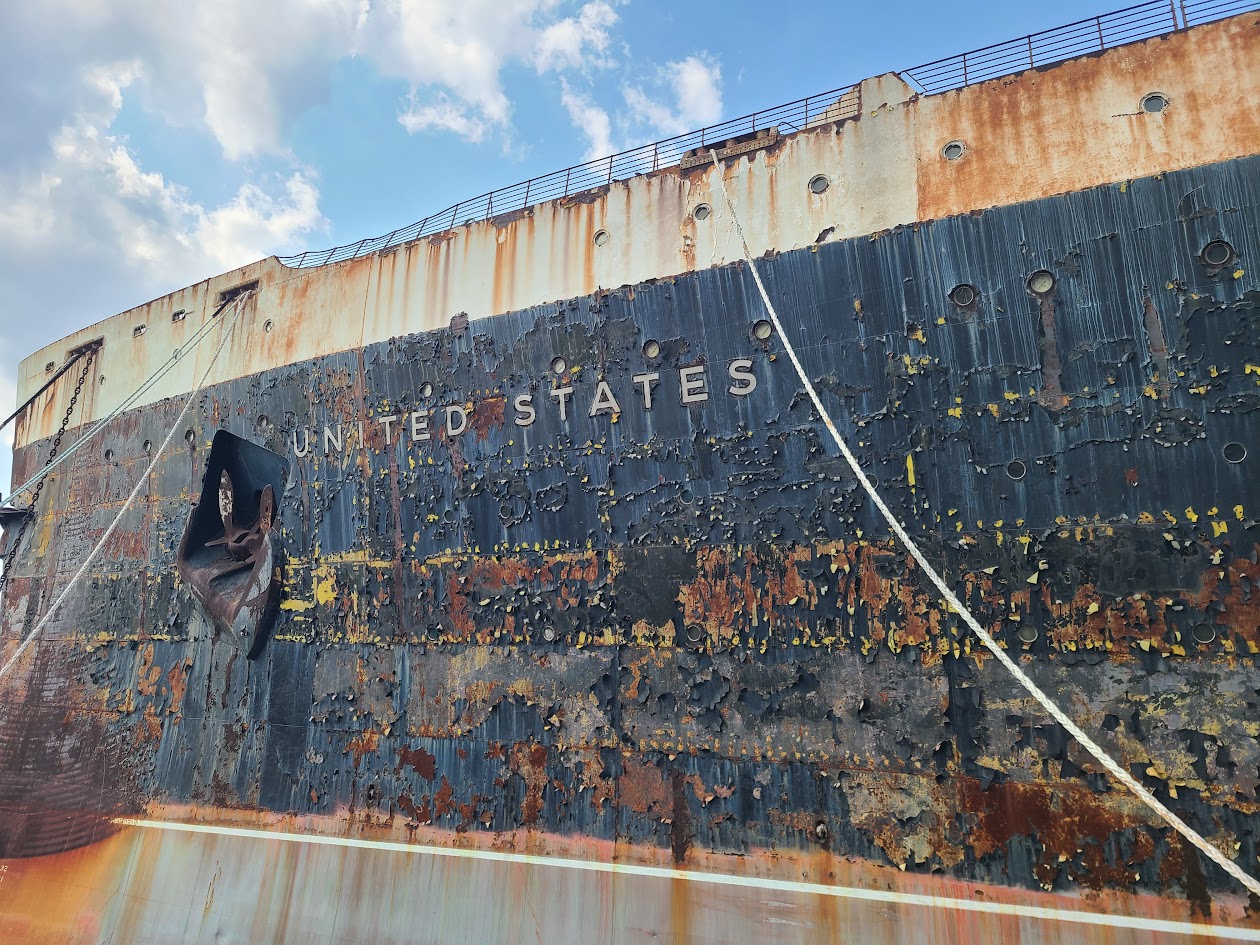
This distinction is useful when looking at photographs. An image of a newly placed structure documents a starting condition. A later image may show growth on its surfaces or animals gathering around it. Comparing those observations over time can reveal a changing habitat; a single photograph gives a much narrower view.
The observations planned around SS United States
WHOI says researchers will examine water chemistry, microbial activity and larger biological communities. The plan includes water sampling at 132 locations around the ship to study elements released as steel corrodes. A separate effort led by University of Southern Mississippi microbiologist Leila Hamdan will examine microbes in surrounding sediment and water. These are monitoring plans, with findings still to come. The project’s sampling approach
The team plans to establish a baseline during the first month and return annually for sampling and photography. WHOI also describes a possible citizen-science program using divers’ photographs between visits. A baseline supplies an early reference against which later observations can be compared; the proposed photo contributions would supplement the scheduled fieldwork. WHOI on the monitoring timetable
Why gathering fish is only part of the question
An older NOAA review provides useful context for interpreting future results. The Florida Keys National Marine Sanctuary’s 2011 condition report distinguishes attracting fish already present nearby from supporting additional fish production. It also identifies questions about community composition, habitat effects and the durability of artificial structures. That report concerns other sites, not results from SS United States. NOAA’s 2011 artificial reef review
For readers following the new project, the important question is what an observation establishes. More animals visible beside the hull would document activity at that location. Explaining where they came from, how long they stay and how the surrounding habitat changes calls for a broader body of evidence. The research plan is an opportunity to collect that evidence, rather than a completed verdict on ecological success.
The ship’s history has a separate destination
The SS United States Conservancy’s October 10 update describes plans for a land-based museum near Destin-Fort Walton Beach. It says items retained include the funnels, radar mast and stem anchor. The planned museum would tell the story of the liner’s design, service and engineering, while the reef becomes a subject for marine observation. These are related projects with different kinds of evidence and objects to preserve. The Conservancy’s museum update
Photo credit
SS United States Bow 2024 by GGOTCC, photographed July 27, 2024, via Wikimedia Commons under CC0 1.0. Original JPEG reused with site display cropping. The archive image predates reef preparation and does not show the 2026 deployment or conditions at the reef site.
FOLLOW THE TRAIL
Sources & further reading
- Woods Hole Oceanographic Institution ↗
November 11, 2026 primary research announcement. Read from the downloaded page body; research plans are not completed ecological results.
- NOAA National Ocean Service ↗
Definition and examples of artificial reefs and their potential habitat role.
- NOAA — Florida Keys 2011 Condition Report ↗
Historical background on attraction versus production and uncertainty at other artificial reefs; not a study of SS United States.
- SS United States Conservancy ↗
October 10, 2026 primary museum and preserved-object update.
Prepared with AI assistance from WHOI, NOAA and SS United States Conservancy sources. Research plans are distinguished from results. No field reporting or diving was performed. The photograph was taken in 2024. Read our editorial policy.
Last updated . Suggest a correction ↗