AT A GLANCE
- Garaetteok is a long, cylindrical Korean rice cake made from steamed rice flour.
- Its stick-like shape links it to November 11, when Garaetteok Day celebrates rice and farmers.
- Long pieces can be eaten plain or used in dishes. Thin slices go into tteokguk, the rice cake soup associated with Seollal.
Garaetteok Day brings a familiar Korean ingredient into focus on November 11. Garaetteok (가래떡) is the long, cylindrical rice cake used in several dishes, including tteokbokki and rice cake soup. Its straight shape resembles the ones in 11/11. A Korea.net cultural feature links that visual connection to the food’s annual celebration, while Korea’s Rural Development Administration describes the observance as a way to appreciate rice and farming. Korea.net on the date and shape Rural Development Administration on Garaetteok Day
How rice flour becomes a long cylinder
Korea.net describes a process of steaming rice flour, pounding the dough and dividing it into long, flexible sticks. Machines can shape the rice cake in larger-scale production. The cylinder is the form that gives garaetteok its recognizable appearance before it is cut for a dish. The rice cake can also be eaten plain. Korea.net’s description of garaetteok
You may encounter versions made with other grains. In a 2018 food feature, the Rural Development Administration describes mixing sorghum flour with rice flour to make garaetteok, then serving it soft with syrup or allowing it to firm before slicing it for soup. That variation changes the color and ingredients while keeping the long form. The feature is an older explanation of the food. The agency’s 2018 grain-based version
Why the same rice cake can look different on a menu
The thick pieces in a plate of tteokbokki and the thin slices in tteokguk can start from the same cylindrical rice cake. Korea.net’s Seollal food guide describes cutting white-rice garaetteok into thin, coin-shaped pieces, then boiling them in broth with garnish. Those slices give the soup a different appearance from the long sticks associated with November 11. Korea.net on slicing garaetteok for soup
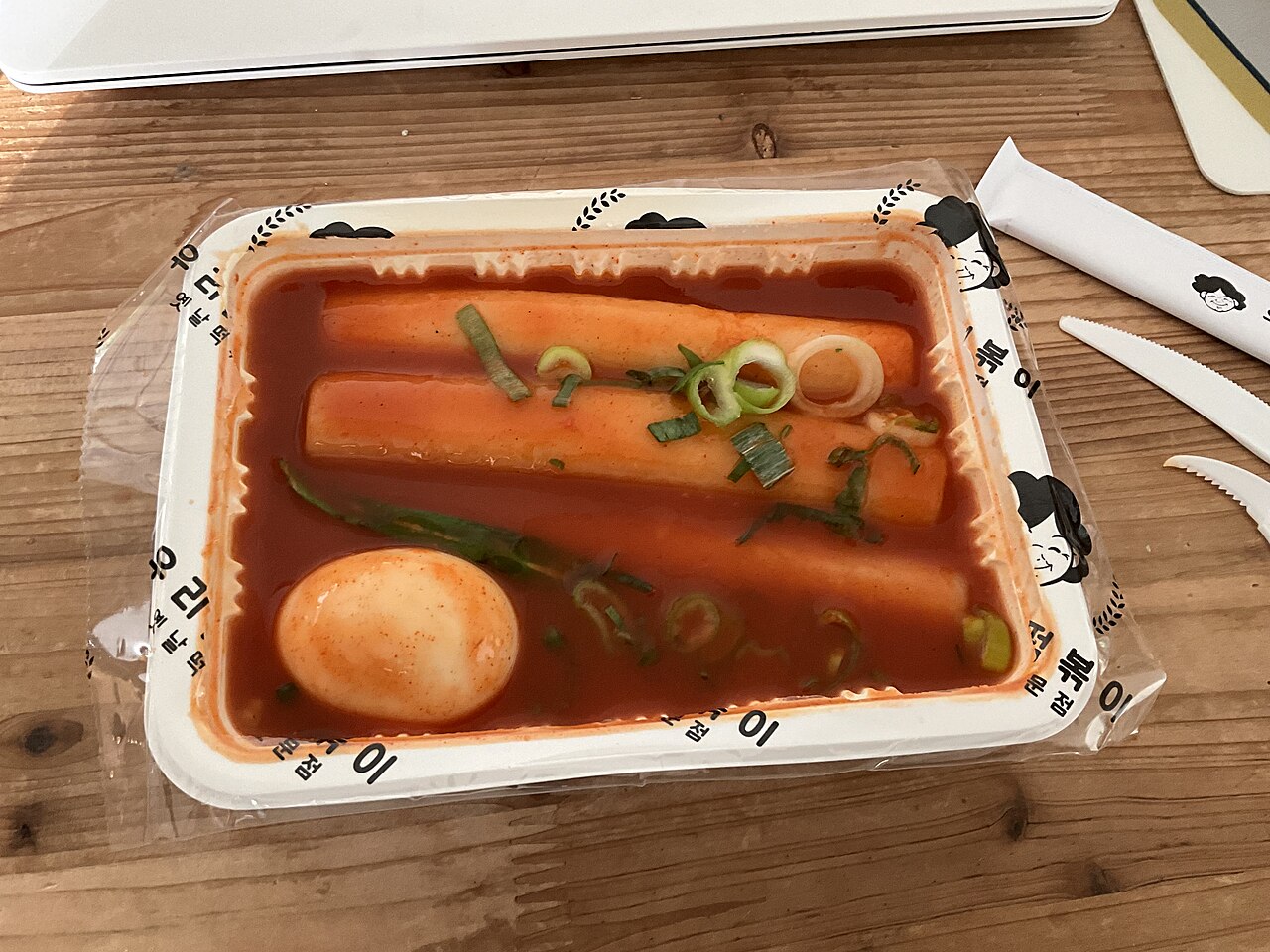
Tteokbokki gives the ingredient another familiar setting, coated in a spicy sauce. Korea.net also lists rice cake skewers and additions to other cooked dishes as uses for garaetteok. On a menu or a package, look at both the rice cake’s shape and the name of the prepared dish. The ingredient name helps connect the long pieces to the smaller shapes you may already recognize. Korea.net on dishes made with garaetteok
Two occasions for the same ingredient
Garaetteok Day comes around every November 11. The celebration emphasizes rice and the people who grow it. Tteokguk is associated with Seollal, Korea’s Lunar New Year. The shared ingredient explains why pictures of rice cake soup may appear when you search for garaetteok, even though the dates and customs differ. The rice-focused November observance Seollal and rice cake soup
For an English-language search, try both garaetteok and garae-tteok alongside the Korean spelling 가래떡. If you are looking for the long shape connected to 11/11, that ingredient name is more specific than the broad phrase Korean rice cake. For a prepared meal, add the dish name, such as tteokbokki or tteokguk. Korea.net’s ingredient and dish names
Photo credit
Garaetteok Tteokbokki by Kimseoeun2023079825, photographed March 21, 2024, via Wikimedia Commons under CC0 1.0. Used for food context.
FOLLOW THE TRAIL
Sources & further reading
- Korea.net: November 11 food customs ↗
Cylindrical form, preparation, November 11 association and uses in dishes. Honorary Reporter contribution.
- Rural Development Administration ↗
2018 agency food feature explaining the rice-focused observance and sorghum-rice variations.
- Korea.net: Seollal rice cake soup ↗
Cutting white-rice garaetteok into thin pieces and boiling them in broth for tteokguk.
Prepared with AI assistance from Korean cultural and agricultural sources. The photograph shows a dish made in 2024. Read our editorial policy.
Last updated . Suggest a correction ↗